In Europe, 60-70% of soils have been diagnosed as ‘non healthy’ (EC, 2020). The health of agricultural soils is crucial, not only for sustainable food production but also for the provision of ecosystem services. The complex soil ecosystem is highly evolved and sophisticated. It processes organic waste into soil. It filters and cleans much of the water we drink and the air we breathe by retaining dust and pathogens. It plays a large role in how much carbon dioxide is in the atmosphere.
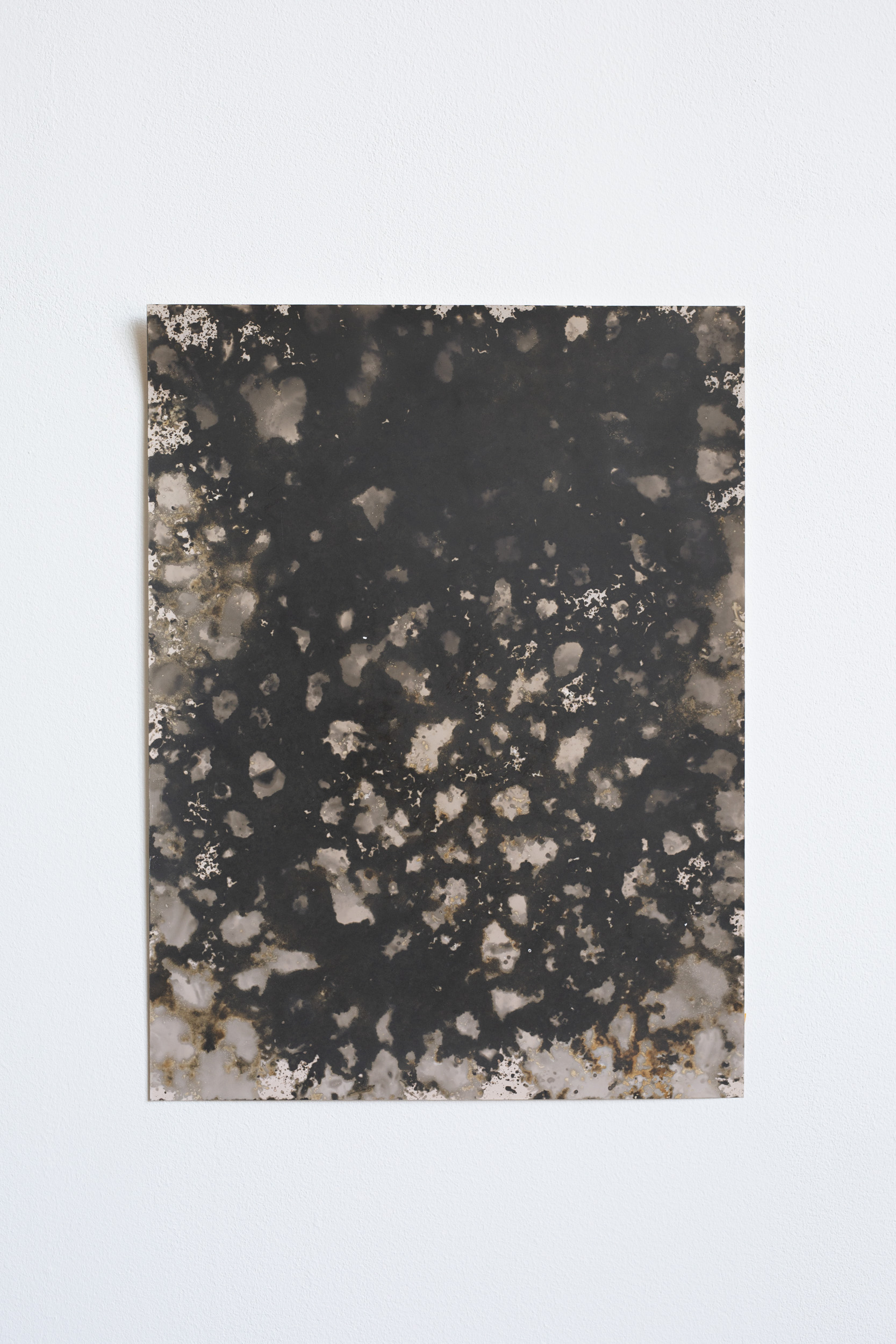
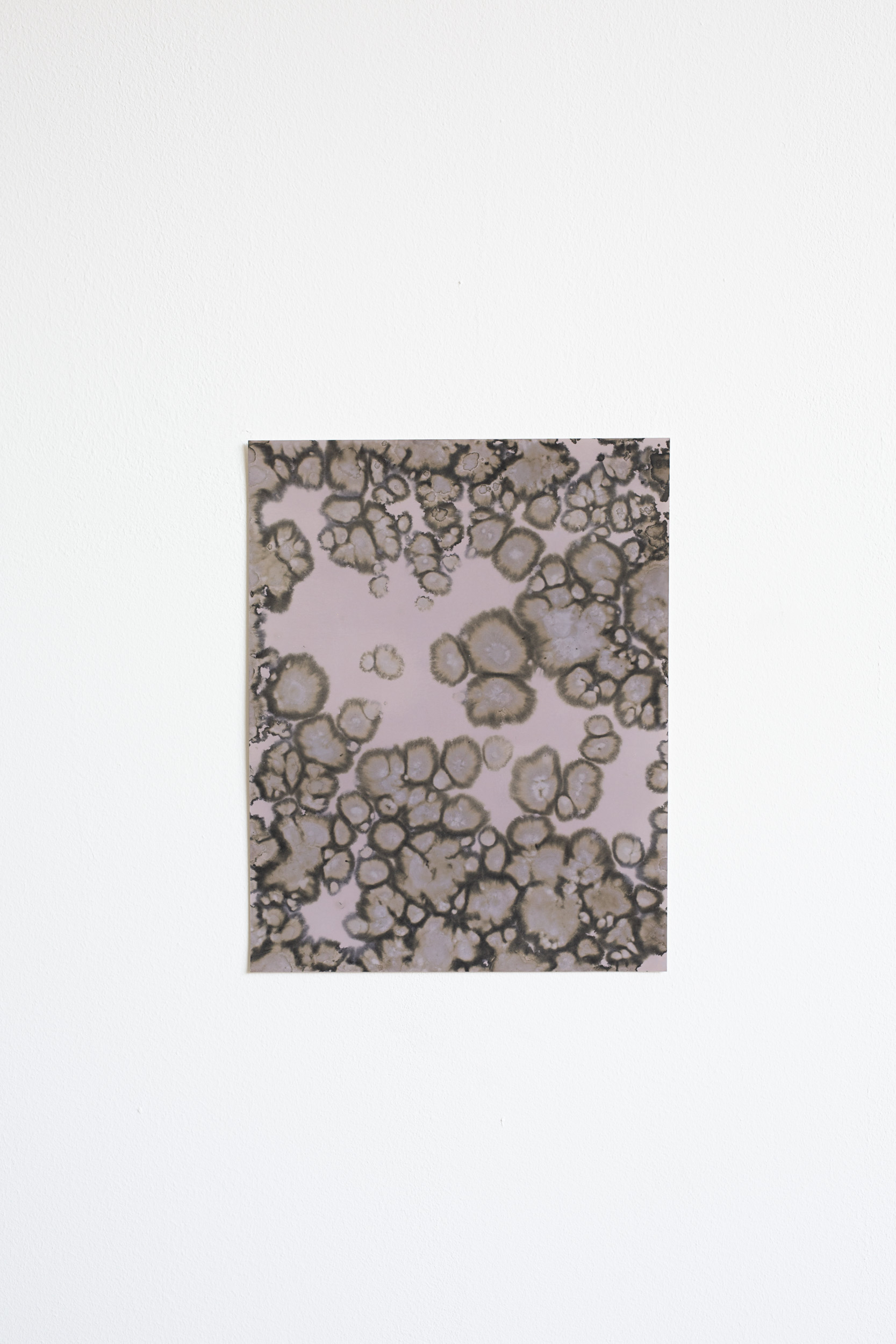
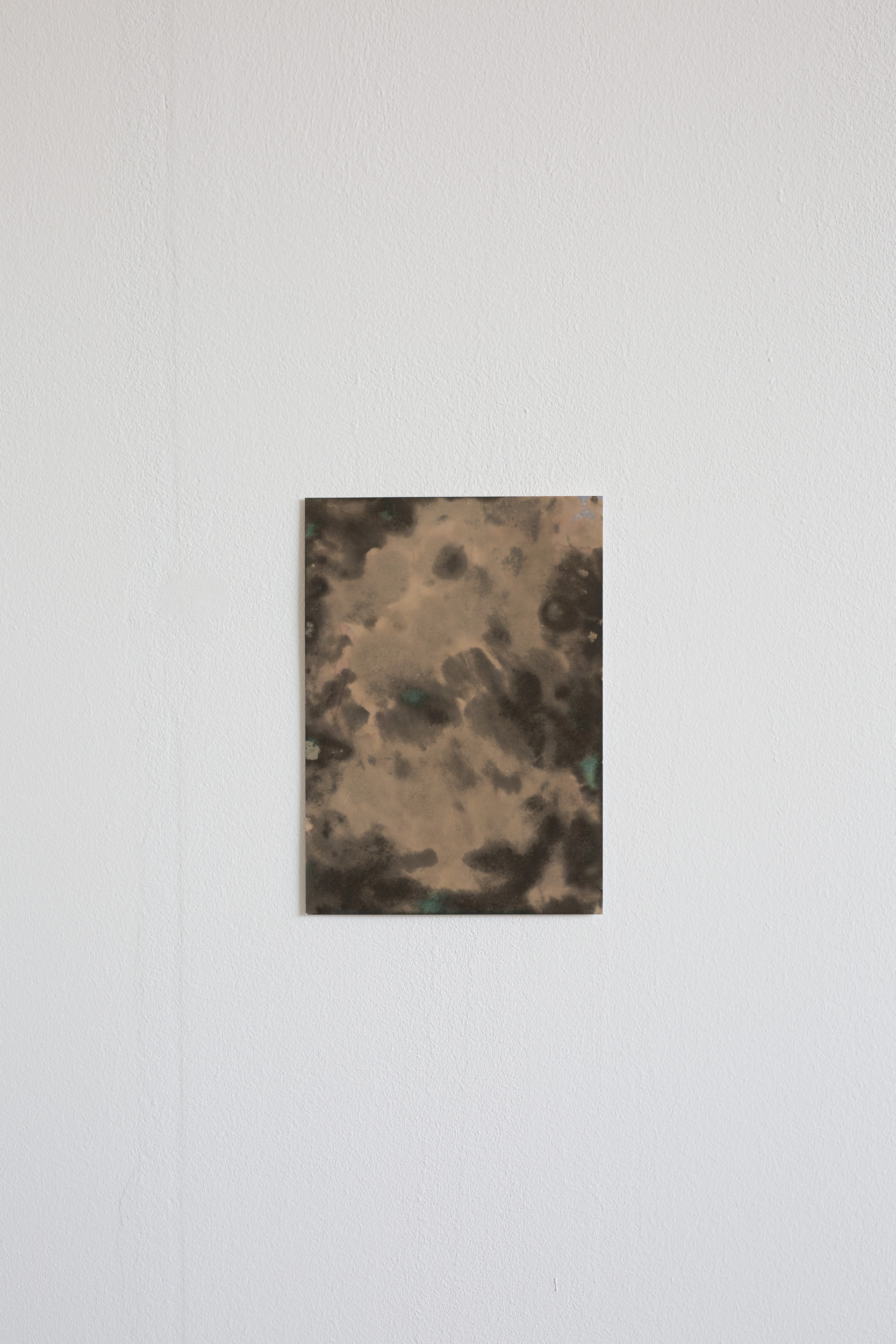
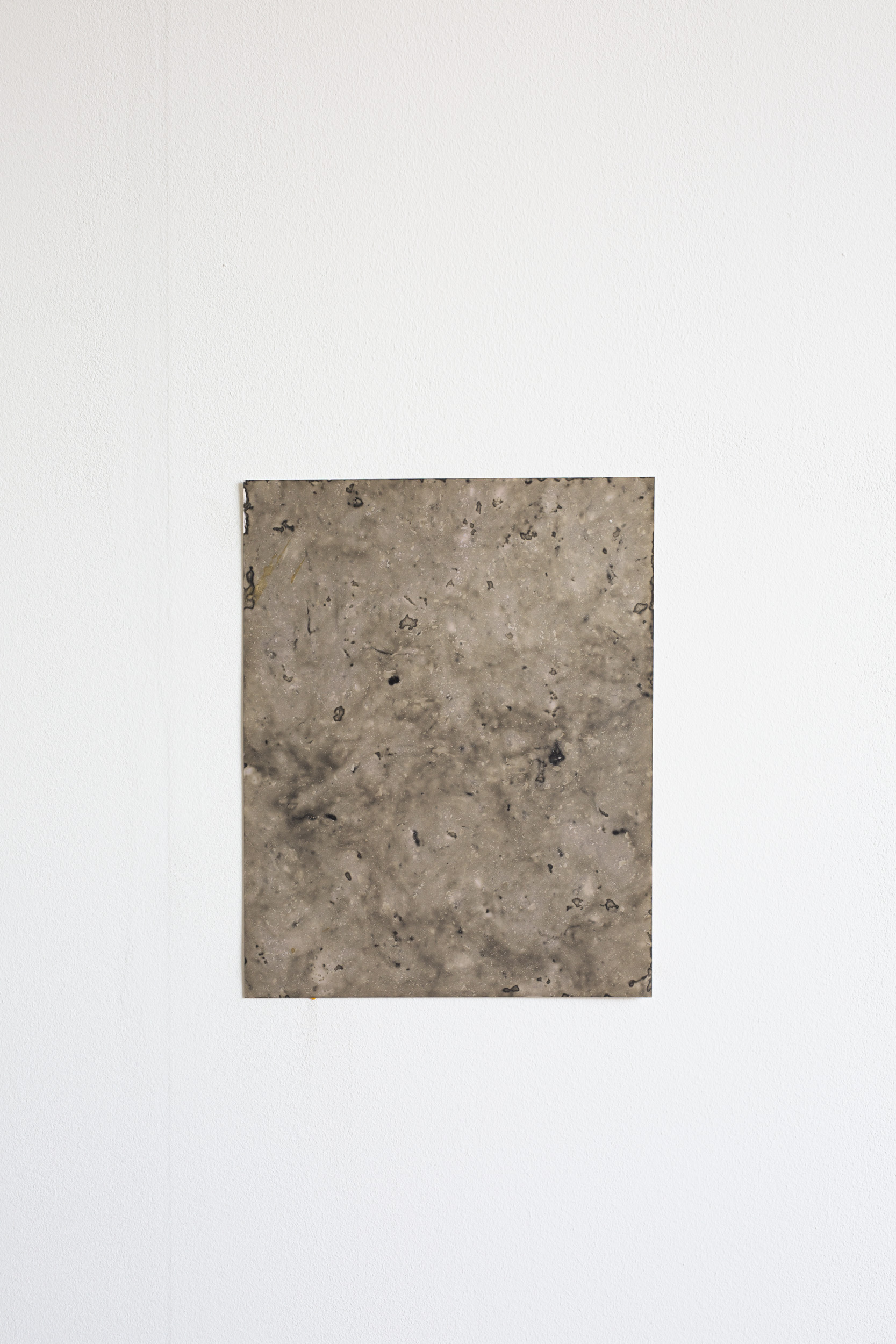
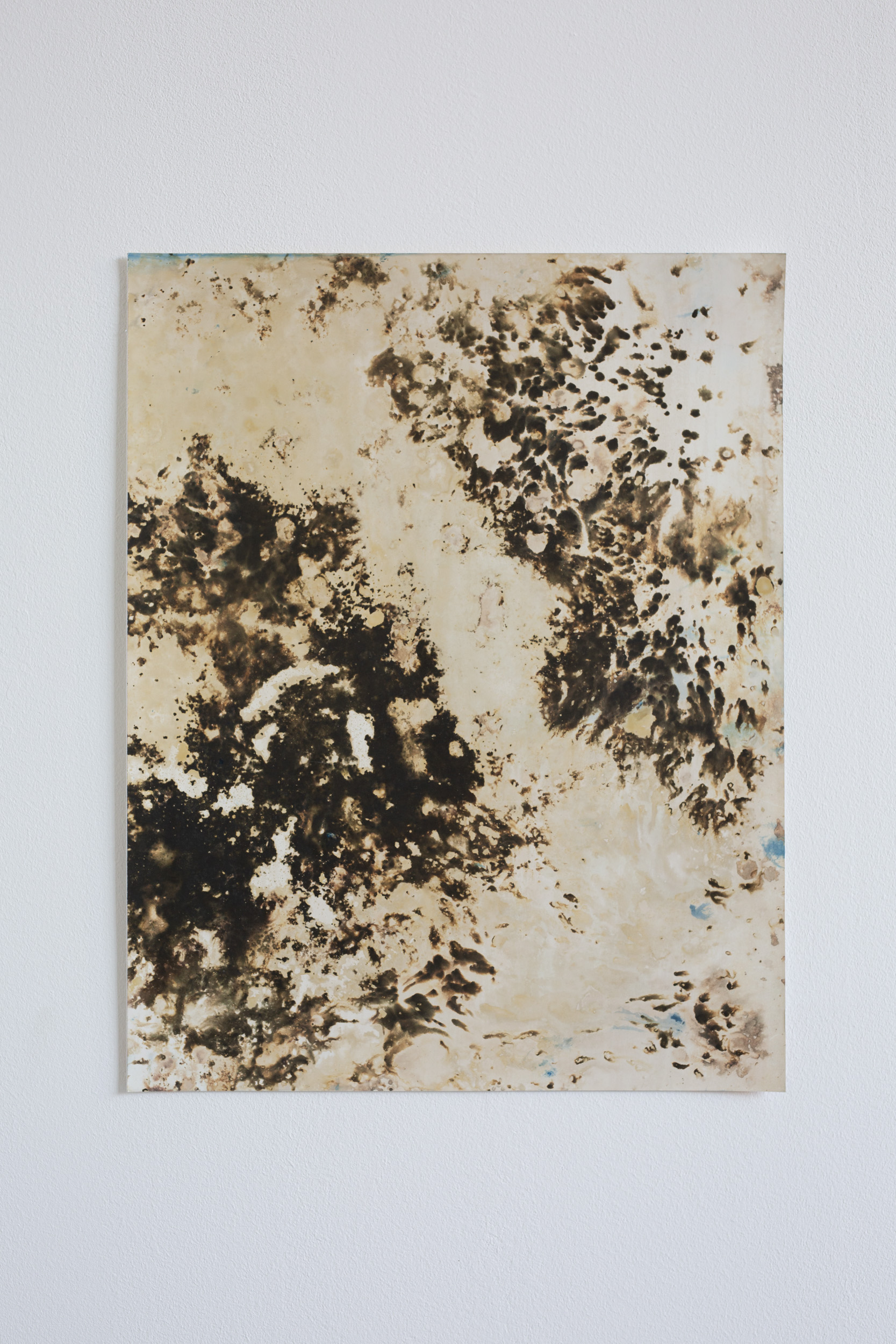
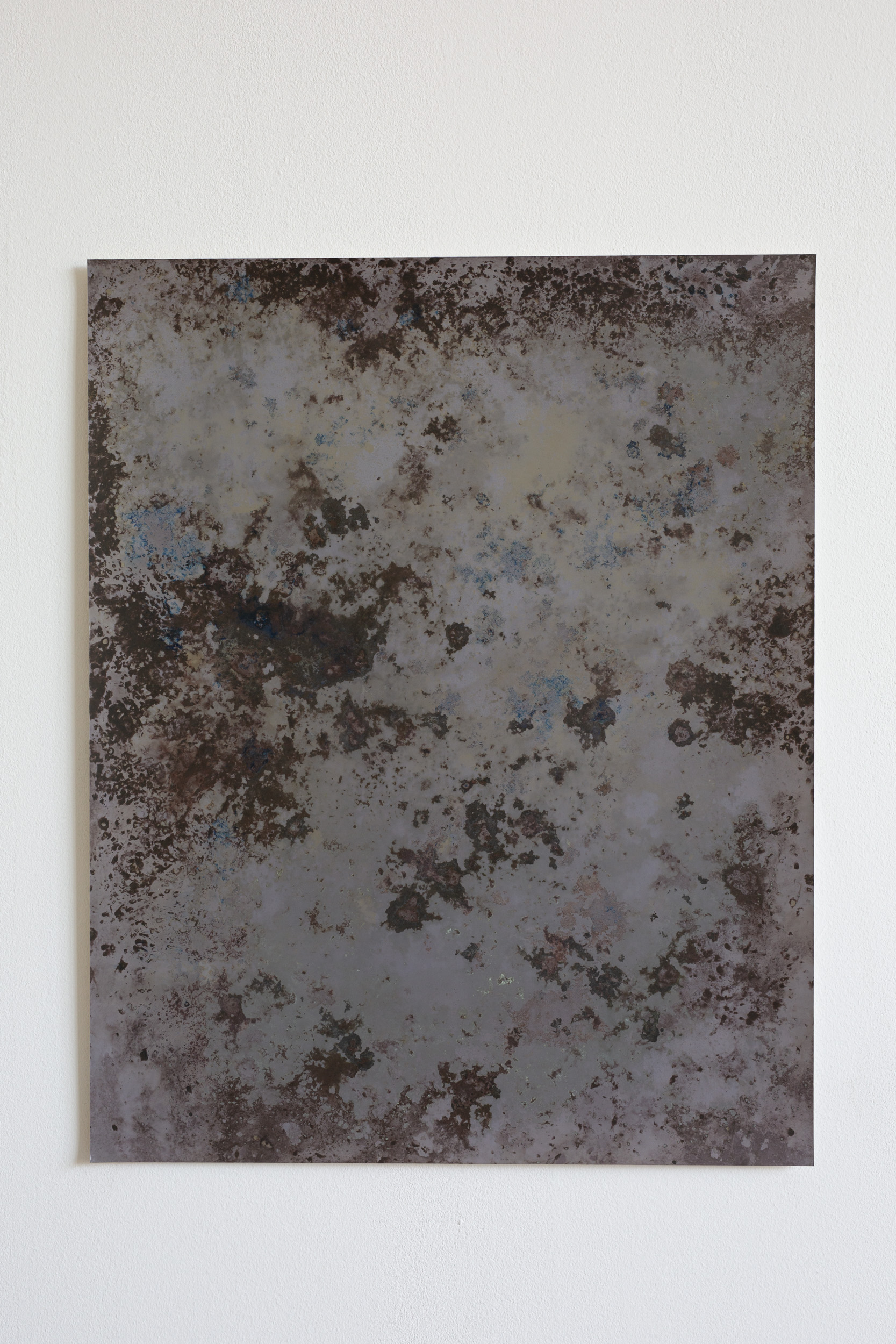
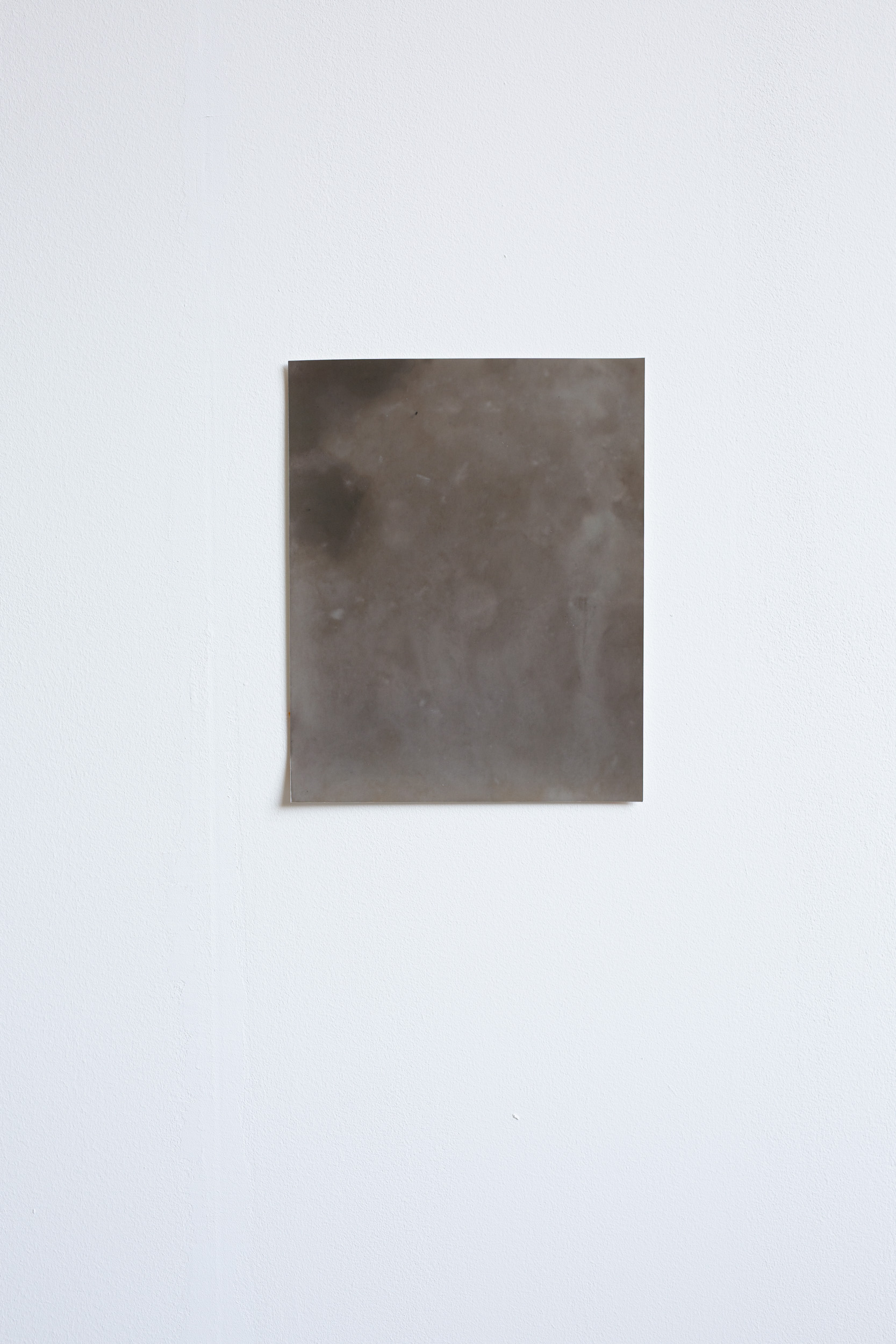
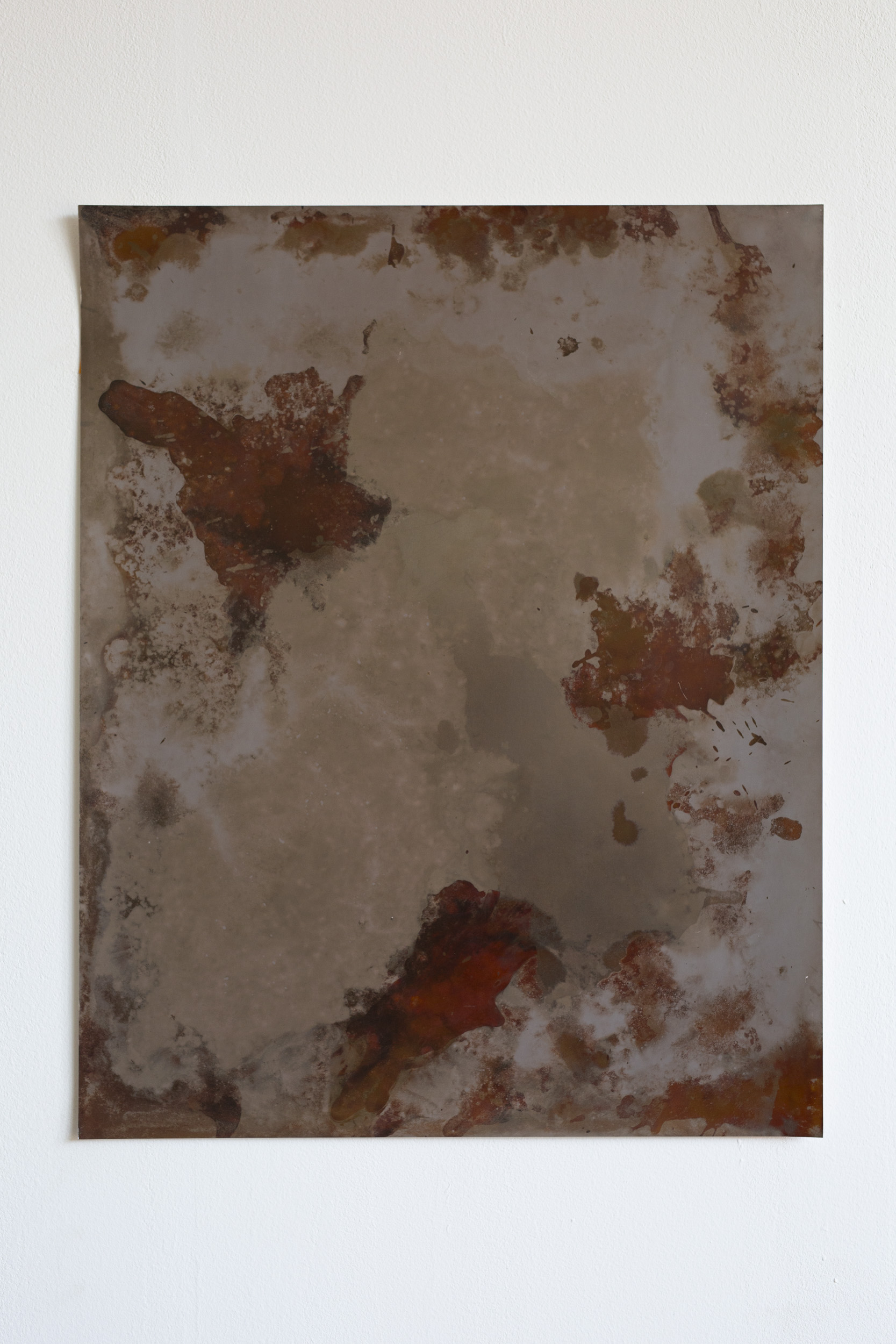
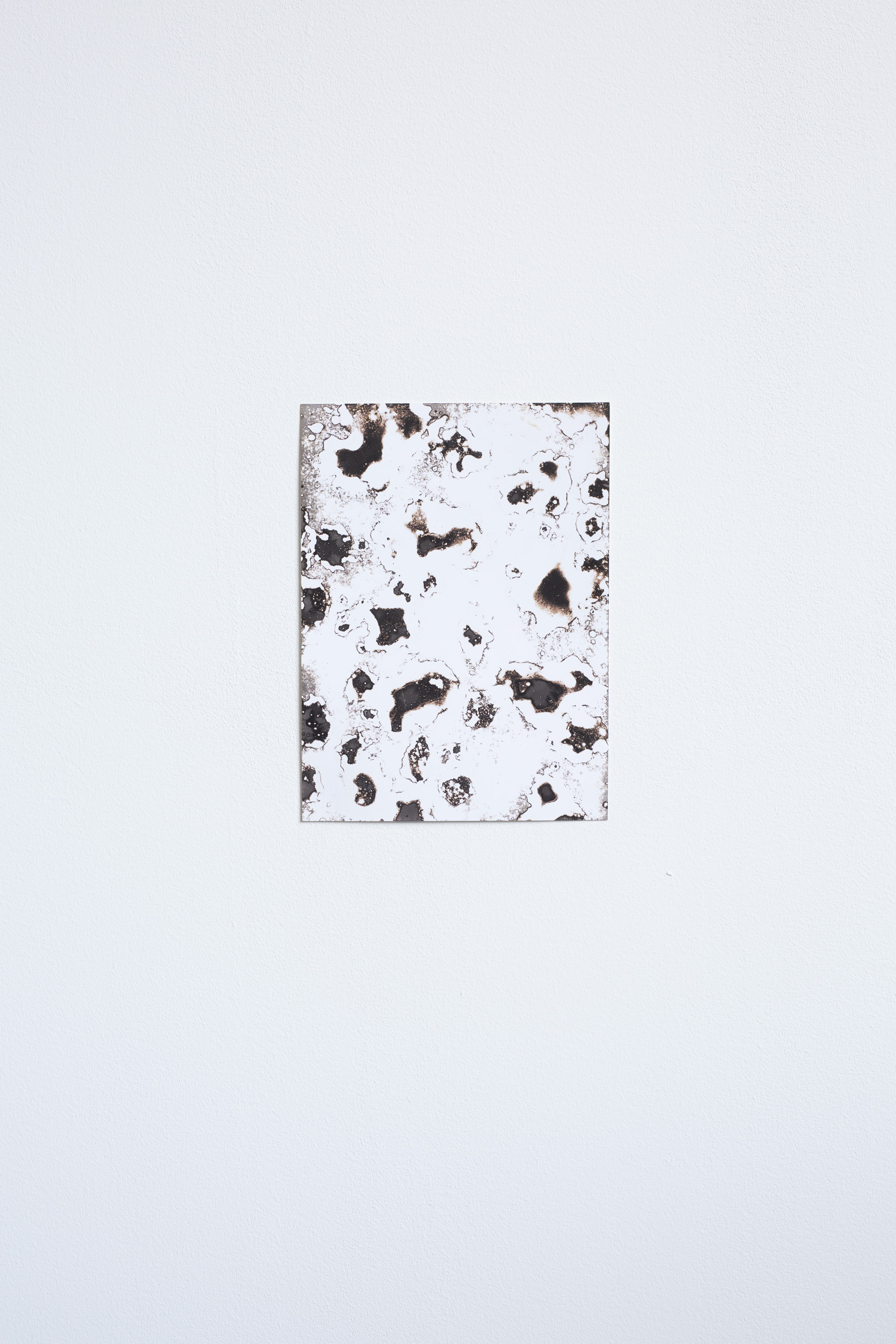
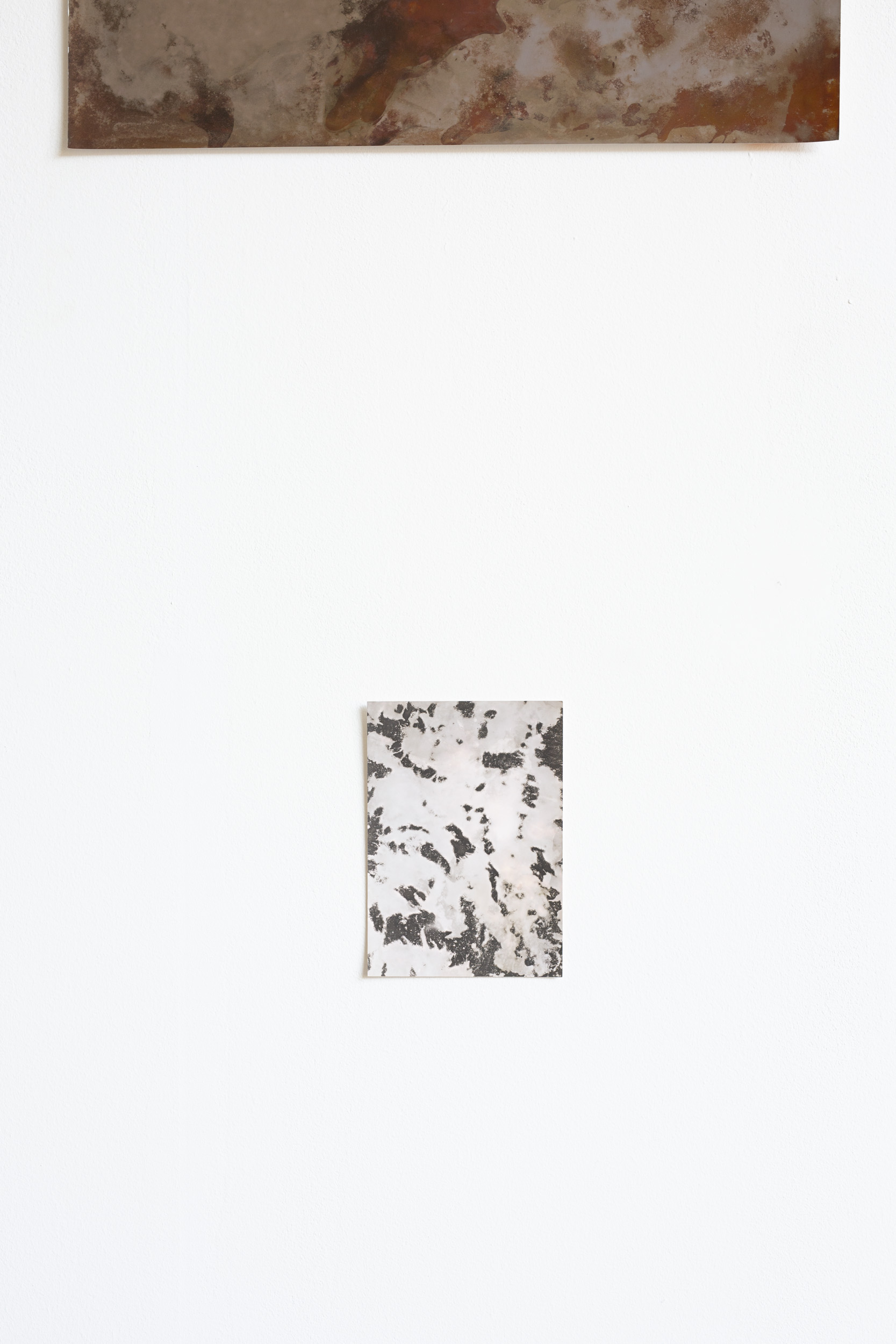
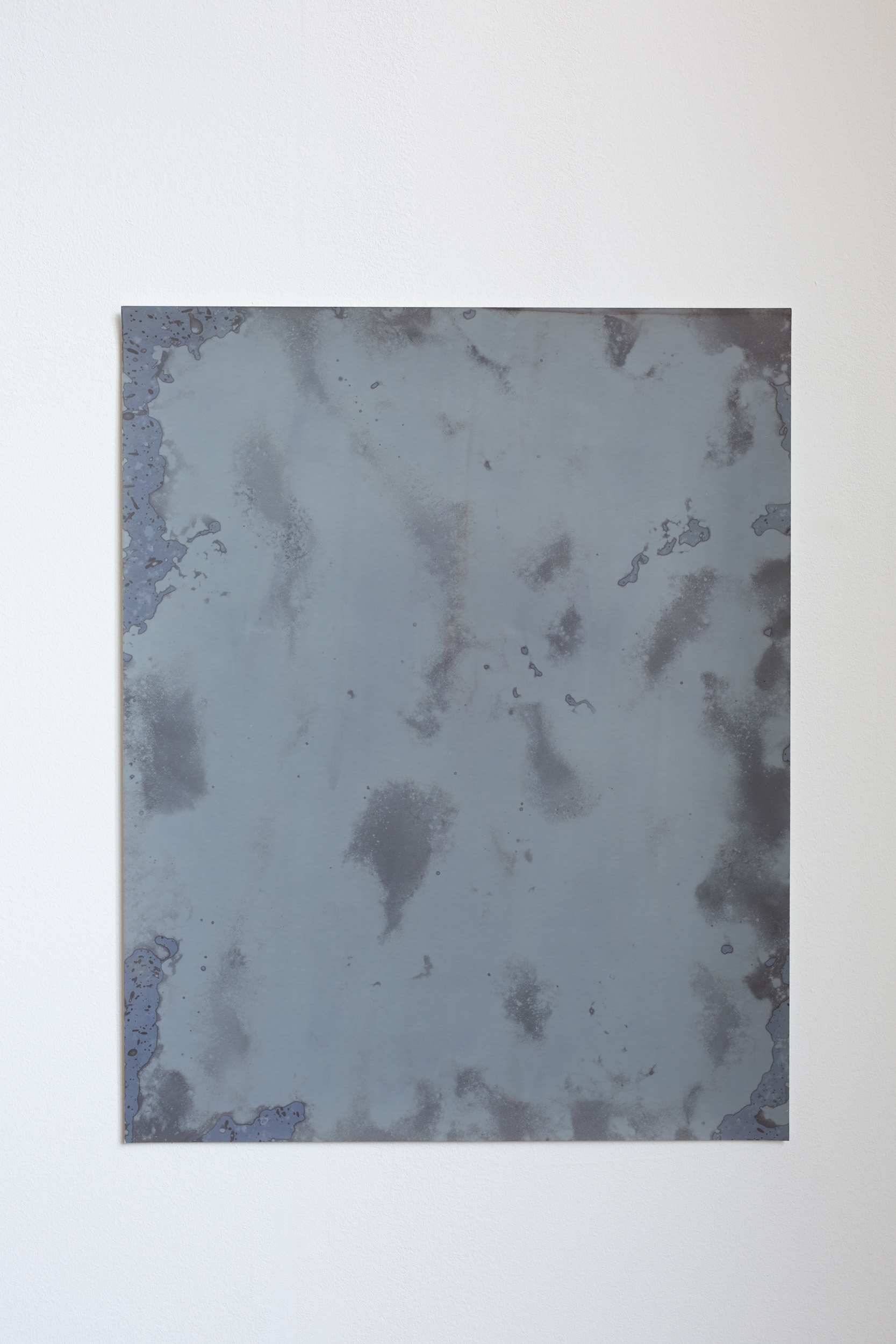
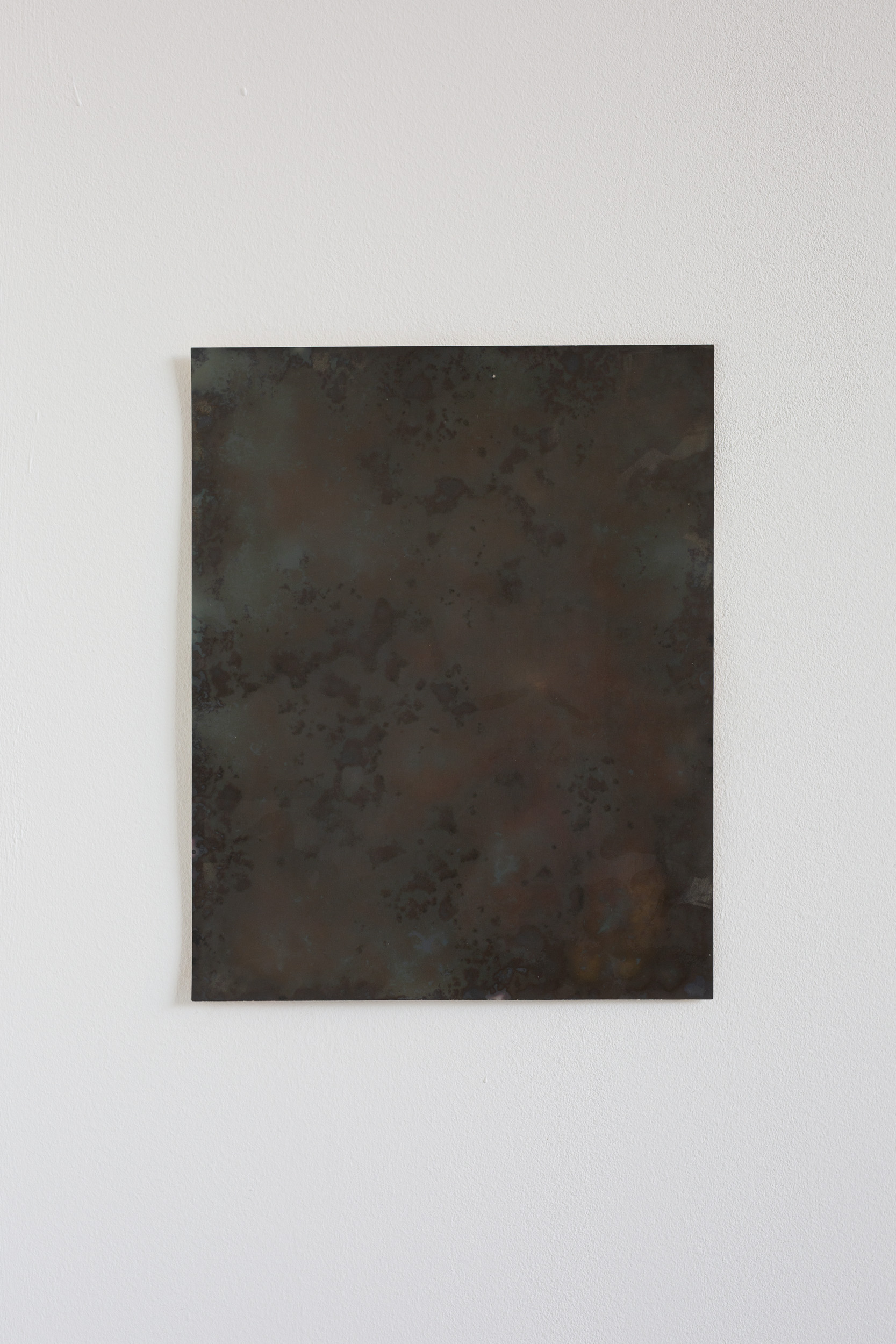
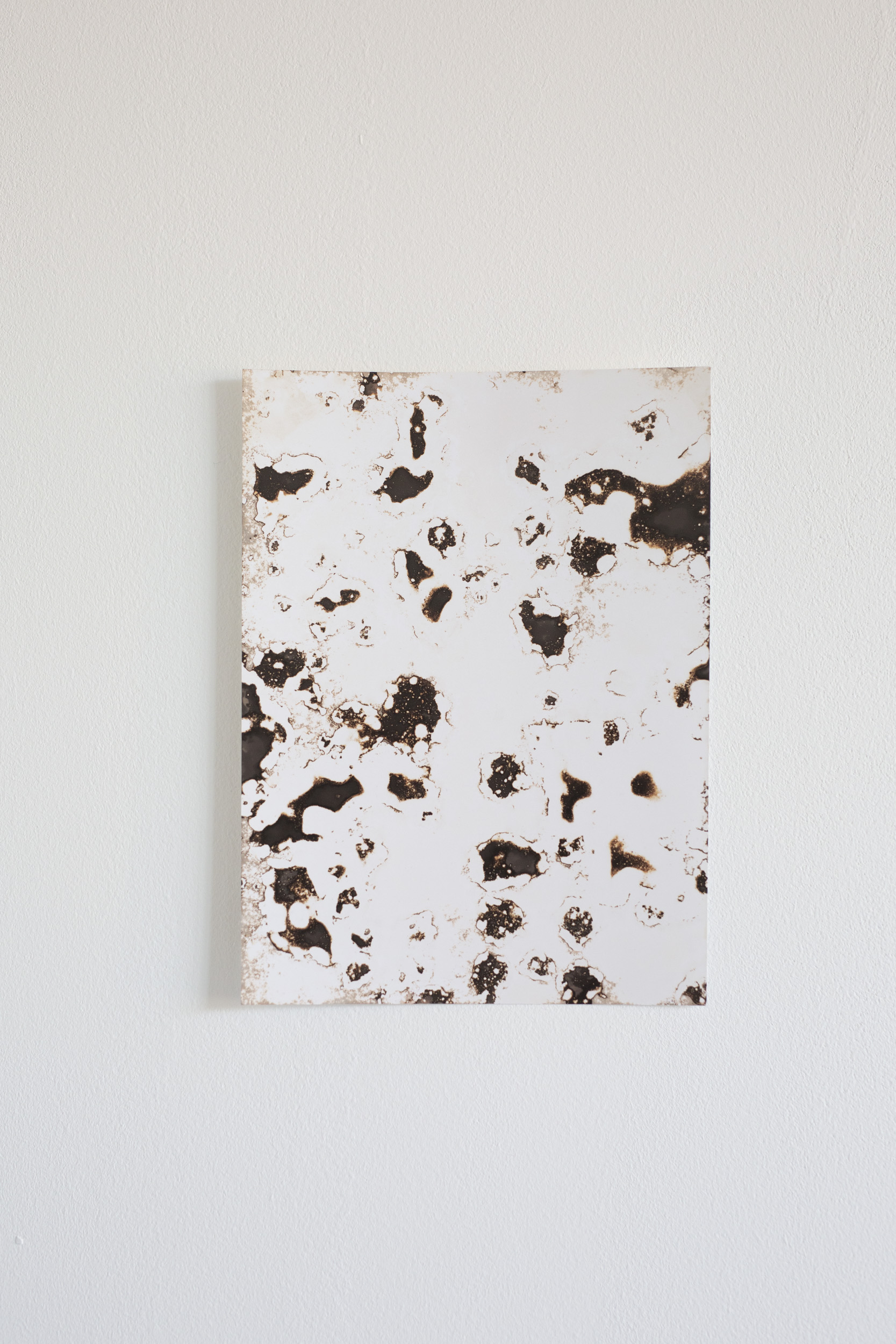
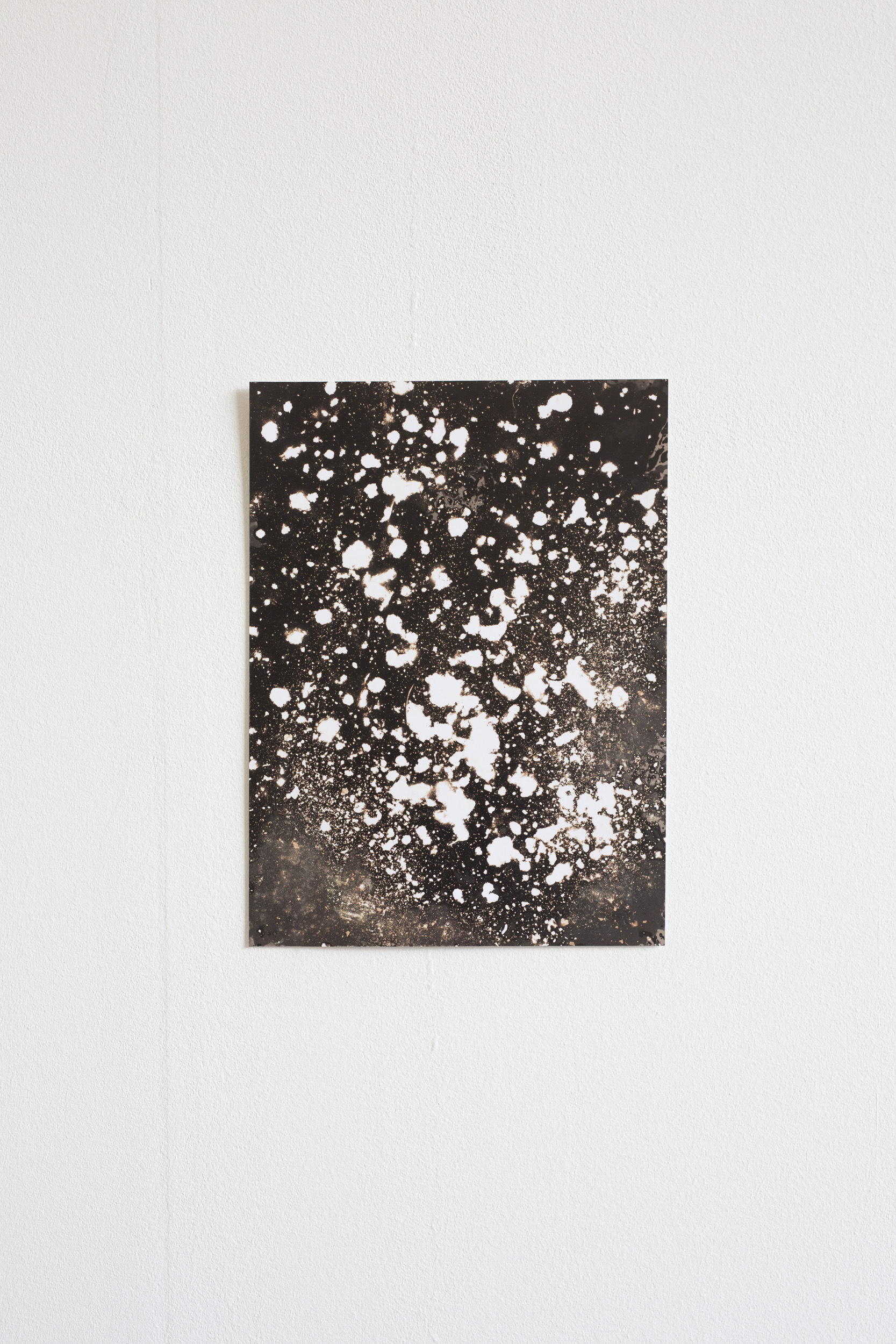
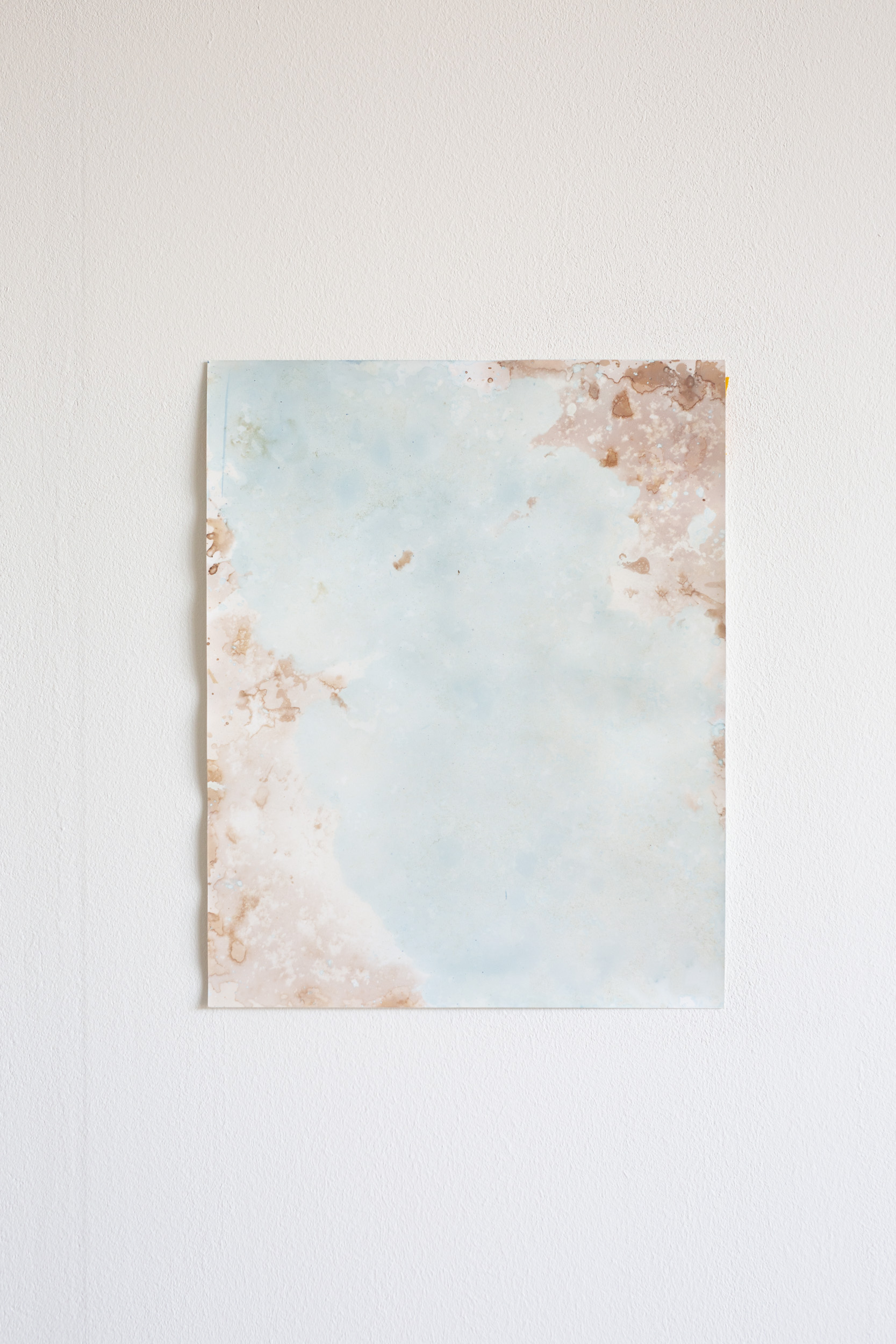
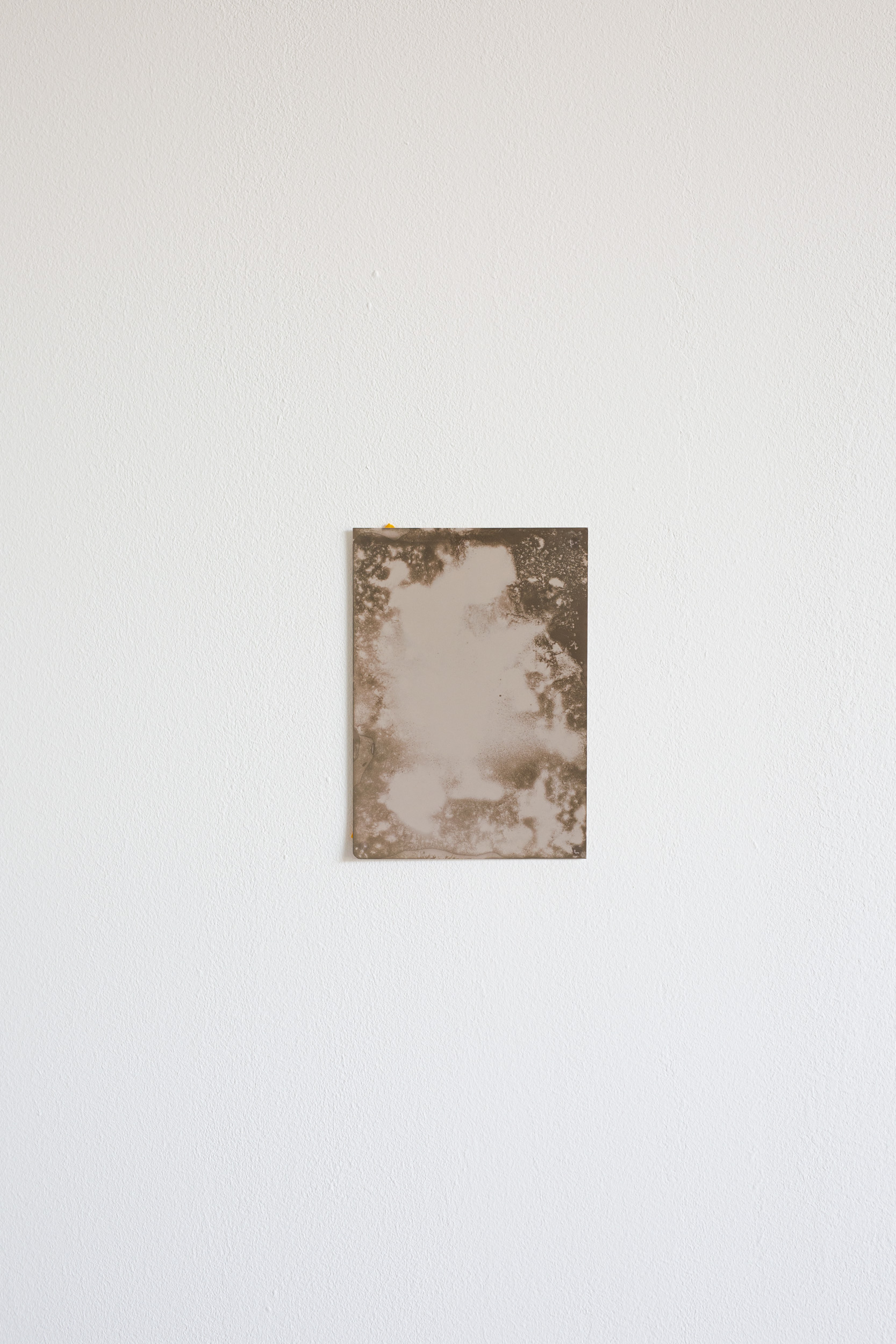
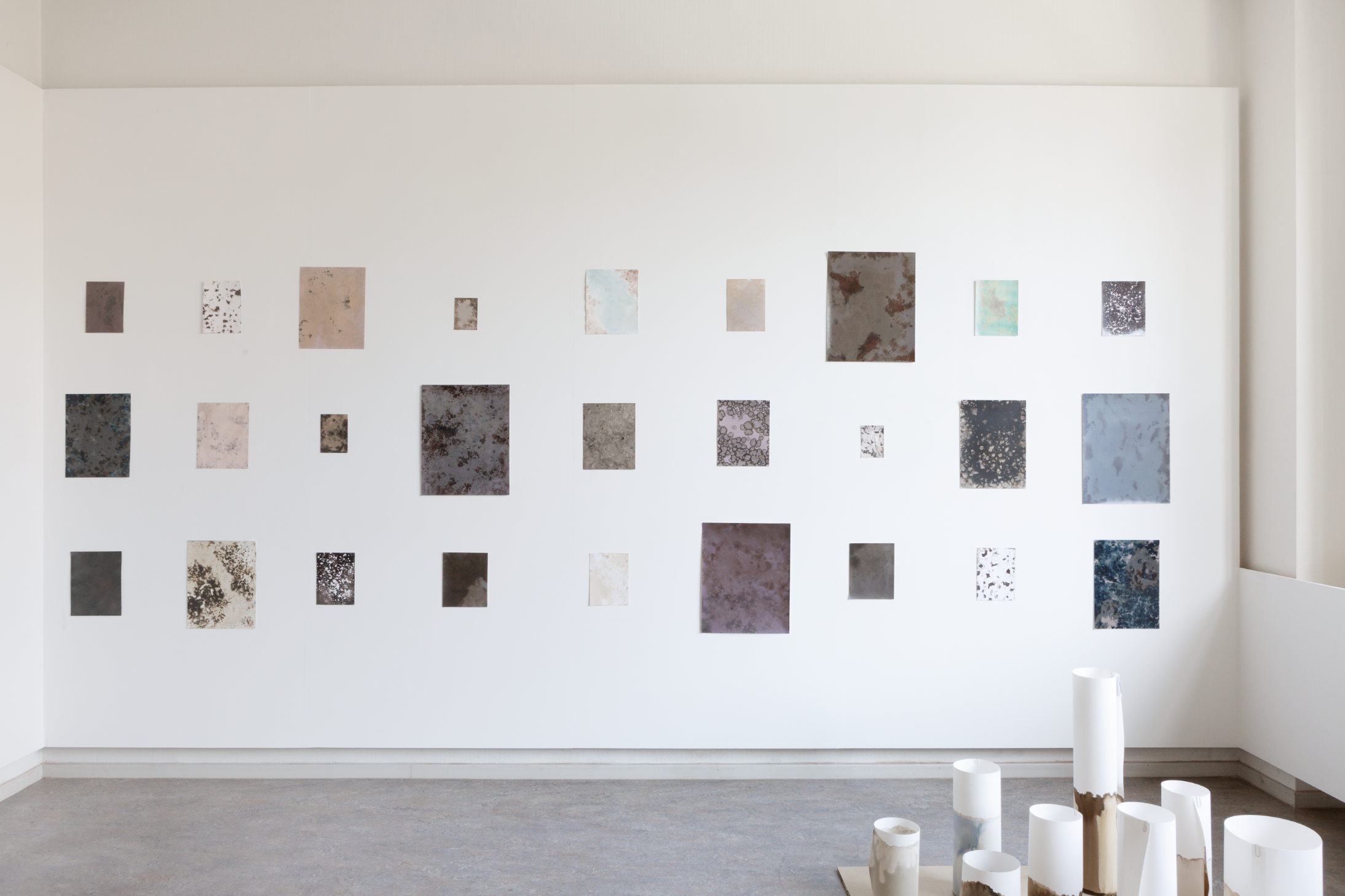
A mudgram brings the hidden chemical life of landscapes to the surface. Heavy metals, minerals and pollutants embedded in the soil have a direct influence on the resulting photograph, making each image a record of the environmental conditions shaped by the industrial history and global economic systems of that place. These photographic prints are produced by using soil as a generator. The soil specimens come from contaminated areas containing large amounts invisible (chemical) elements (such as PFAS, sulfates, nitrates, etc.). In letting the contaminated soil interact with the photo-chemical and silver based layers, the polluted elements and phenols in the soil start to leave an imprint onto the photographic layer, a trace of their chemical co-operation is left behind. The Mudgrams therefore move away from an optical relationship with the world, towards a more direct approach based on a direct, material contact. It is the result of a process of co-authorship with earthly matters that generated a visual remnant of their interaction, they occupy a middle position between a chemigram and a photogram.
A mudgram brings the hidden chemical life of landscapes to the surface. Heavy metals, minerals and pollutants embedded in the soil have a direct influence on the resulting photograph, making each image a record of the environmental conditions shaped by the industrial history and global economic systems of that place. These photographic prints are produced by using soil as a generator. The soil specimens come from contaminated areas containing large amounts invisible (chemical) elements (such as PFAS, sulfates, nitrates, etc.). In letting the contaminated soil interact with the photo-chemical and silver based layers, the polluted elements and phenols in the soil start to leave an imprint onto the photographic layer, a trace of their chemical co-operation is left behind. The Mudgrams therefore move away from an optical relationship with the world, towards a more direct approach based on a direct, material contact. It is the result of a process of co-authorship with earthly matters that generated a visual remnant of their interaction, they occupy a middle position between a chemigram and a photogram.
Mudgram (selection), different originals fixated and unfixated photographic paper, different papersizes
This project is ongoing.
Mudgram, Dries Segers in collaboration with polluted soils, photographic paper, different sizes
Mudgram, Dries Segers in collaboration with polluted soils, photographic paper, different sizes